



Newrest Hellas supports “Boroume” in the fight against food waste
With a strong sense of social responsibility, Newrest Hellas has made a donation to the non-profit organization Boroume, reinforcing its
Nowadays, everyone is talking about stress. Indeed, according to the recent Gallup Global Emotions survey1 involving more than 150,000 people from over 140 countries, it was found that when questioned “Did you experience the following feelings during a lot of the day yesterday? How about stress?”, more than 1/3 (35%) of participants answered “YES”, with Greeks being the champions (59%)!
But, what is stress really?
Stress is the reaction of our body, the universal activation of our system in order to protect ourselves when we perceive a “threat” that, for a modern man, could, for example, be anxiety due to increased professional or family obligations. Our body’s primary biological response to a “threat” is the secretion of the three “stress hormones”, adrenaline, norepinephrine and cortisol, which are produced by the adrenal glands.
Are you aware of the different stages of stress?
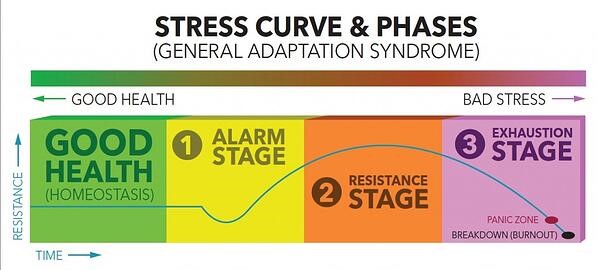
Hans Selye, a pioneer researcher, developed a theory in order to describe the physiological changes the body goes through when under stress, which is called General Adaptation Syndrome (GAS). As we can see on the diagram below, GAS is a three-stage process:
Can our diet help us reduce stress?
In recent years, more and more studies that have come to light have highlighted the importance of proper nutrition and balanced dietary intake in stress management. For example, according to a review published in 20162, being stressed can increase your need for certain nutrients, including vitamin C, B complex vitamins, selenium, and magnesium.
5 dietary “weapons” against stress
1. Whole-grain products: According to prior research3, carbs can temporarily increase levels of serotonin, a hormone that improves our mood and reduces stress. The important thing, though, is to pick the right carbs! Make sure that you include unrefined carbohydrates (whole-grain bread and cereals, quinoa, pulses etc.), as according to Harvard School of Public Health4 their digestion is slower and more gradual, which practically means that the rise in blood sugar is slower as well.
2. Foods rich in omega-3 fatty acids: omega-3s not only protect against cardiovascular disease, they can also help reduce stress! If you want to get adequate amounts of omega-3 fatty acids, be sure to regularly consume fatty fish (salmon, herring, mackerel, sardines, etc.), nuts and avocado, which is also rich in fiber and antioxidants.
3. Nuts: In addition to good fat, nuts are a source of B-complex vitamins, the most important group of vitamins that seem to be related to stress situations. Moreover, nuts and seeds contain magnesium, which may be associated with better stress management5. Remember to limit your portion to a handful to avoid excessive calories.
4. Dark Chocolate: This beloved dessert can help us reduce stress not only because it gives us pleasure when we eat it, but also because it contains antioxidants that help reduce levels of stress hormones in the body6. Of course, we must not forget to consume it in moderation!
5. Fiber-rich foods: According to a recent literature review7, a high-fiber diet may be associated with reduced anxiety, depression and stress. To increase fiber in your diet, make sure that you consume a variety of vegetables and fruits, pulses, whole grains, nuts and seeds.
References
1. Gallup Global Emotions 2019.
2. Singh et al. Nutrient and Stress Management. J Nutr Food Sci 2016, 6:4
3. Benton D. Carbohydrate ingestion, blood glucose and mood. Neurosci Biobehav Rev. 2002 May;26(3):293-308.
4. Harvard School of Public Health. Carbohydrates and Blood Sugar (Available online: https://www.hsph.harvard.edu/nutritionsource/carbohydrates/carbohydrates-and-blood-sugar/)
5. Boyle NB, Lawton C, Dye L. The Effects of Magnesium Supplementation on Subjective Anxiety and Stress-A Systematic Review. Nutrients. 2017 Apr 26;9(5).
6. Martin et al. Metabolic effects of dark chocolate consumption on energy, gut microbiota, and stress-related metabolism in free-living subjects. J Proteome Res. 2009 Dec;8(12):5568-79.
7. Taylor AM, Holscher HD. A review of dietary and microbial connections to depression, anxiety, and stress. Nutr Neurosci. 2018 Jul 9:1-14.
With a strong sense of social responsibility, Newrest Hellas has made a donation to the non-profit organization Boroume, reinforcing its
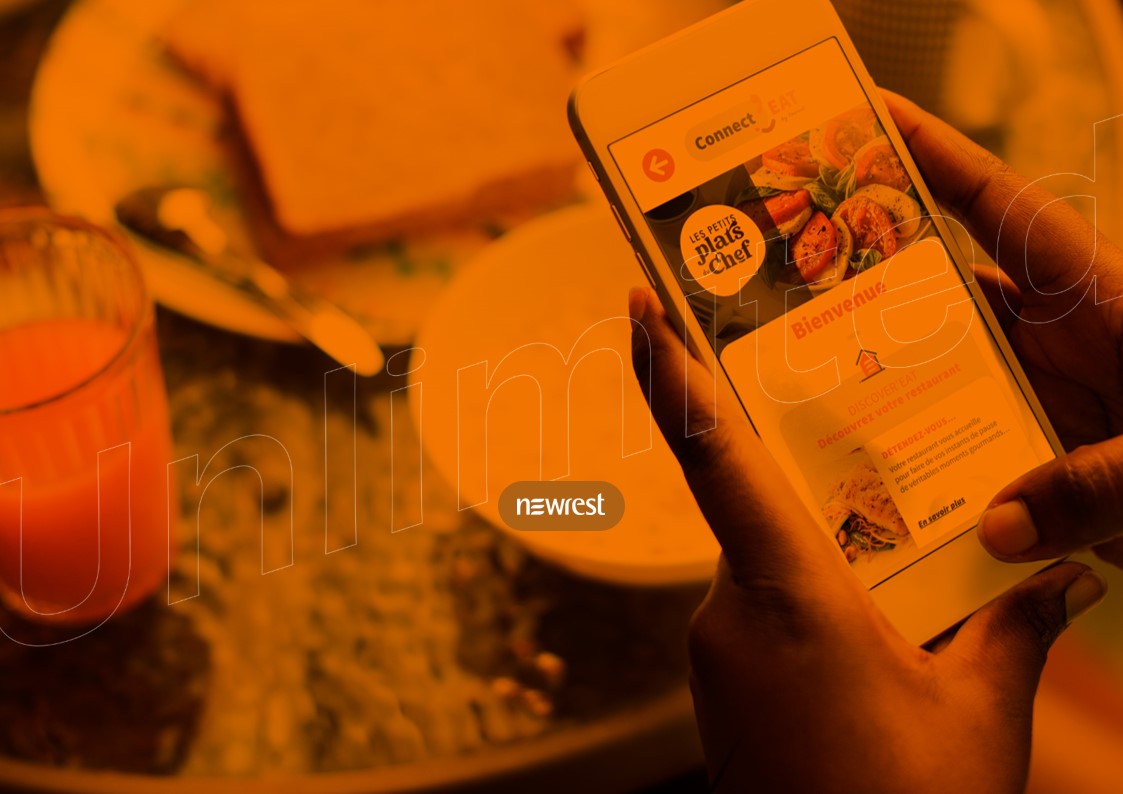
Newrest announces the updated version of its Connect’EAT application, designed to enhance the overall experience of visitors in its corporate